


- VB-G RAM G Bill replaces MGNREGA amid opposition protest
- VB-G RAM G Bill promises 125 days rural employment
The VB-G RAM G Bill was introduced in the Lok Sabha on Tuesday amid strong objections from opposition members over the removal of Mahatma Gandhi’s name from the rural employment law. The Bill, officially titled the Viksit Bharat Guarantee for Rozgar and Ajeevika Mission Gramin Bill 2025, seeks to replace the existing rural employment law MGNREGA. The move triggered sharp reactions inside the House, leading to protests during the introduction stage.
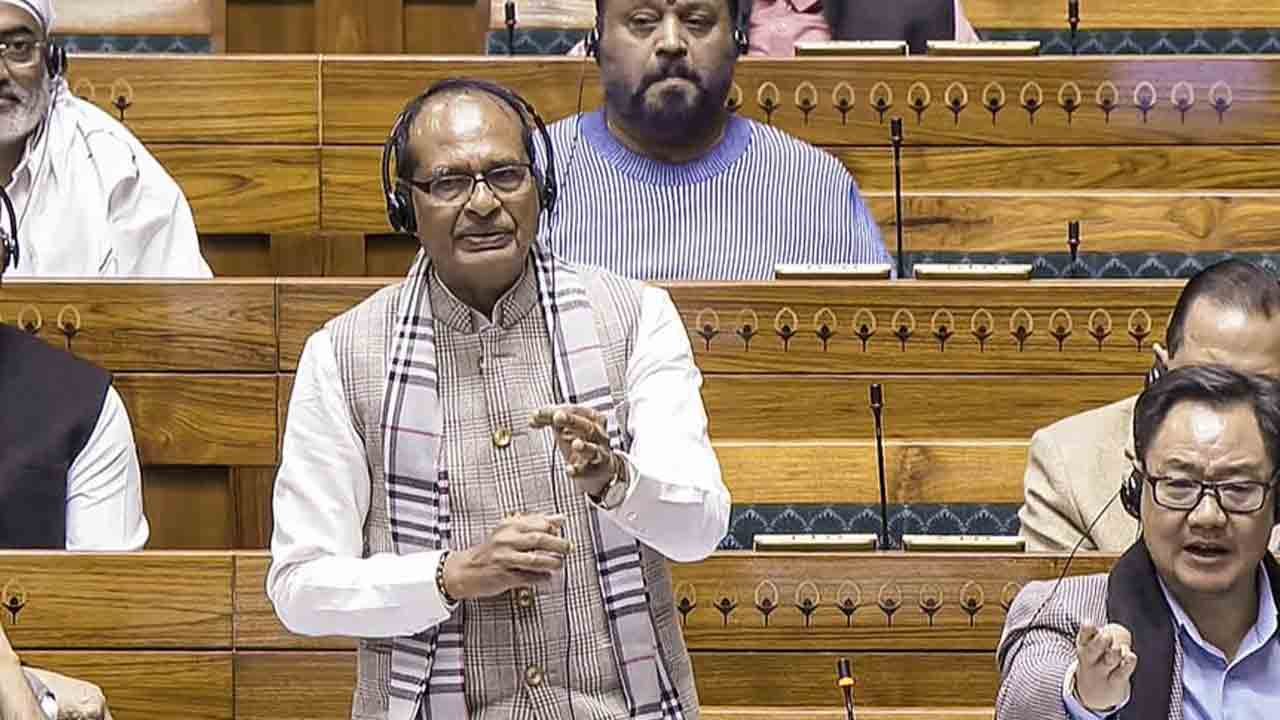
Union Minister Shivraj Singh Chouhan introduced the VB-G RAM G Bill and defended the government’s position. He said the government believes in Mahatma Gandhi and follows his principles. “The (Narendra) Modi govt has done more for rural development than previous governments,” he said. However, opposition members rejected this explanation. They objected to what they described as the removal of Mahatma Gandhi’s name from a landmark rural employment programme.
VB-G RAM G Bill faces opposition demand for panel review
Opposition MPs strongly opposed the Bill at the introduction stage and demanded that it be sent to a parliamentary panel. They argued that such a major change required detailed scrutiny. Congress leader Priyanka Gandhi was among those who raised objections. Several opposition members moved to the Well of the House holding photographs of Mahatma Gandhi. Through this protest, they expressed disapproval of the removal of the Father of the Nation’s name from the law.
Meanwhile, the government highlighted the key provisions of the VB-G RAM G Bill. According to a copy of the Bill, it provides a statutory guarantee of 125 days of wage employment in a financial year. This guarantee applies to every rural household whose adult members volunteer to undertake unskilled manual work. Therefore, the Bill continues to focus on employment assurance, although under a new legal framework.
VB-G RAM G Bill outlines new rural development framework
The Bill also places responsibilities on states. Within six months from the date of commencement of the VB-G RAM G Act, states must prepare schemes consistent with the provisions of the new law. This requirement aims to ensure uniform implementation across regions while allowing states to align their programmes with the Act.
In a statement, the Rural Development Ministry said the proposed law will establish a modern statutory framework aligned with the goal of Viksit Bharat 2047. It said the Bill aims to create employment and durable rural infrastructure. The ministry identified four priority verticals: water security through water-related works, core rural infrastructure, livelihood-related infrastructure, and special works to mitigate extreme weather events.
The statement further said all assets created under the Bill will be aggregated into the Viksit Bharat National Rural Infrastructure Stack. This approach, it said, will ensure a unified and coordinated national development strategy. The ministry described the VB-G RAM G Bill as a major upgrade over MGNREGA, claiming it fixes structural weaknesses while improving employment, transparency, planning, and accountability.
Now you can get the latest stories from Indtoday on Telegram every day. Click the link to subscribe. Click to follow Indtoday’s Facebook page, Twitter, and Instagram. For all the latest Hyderabad News updates
More Stories….
ST Reservation In Constable Recruitment: Kavitha Demands 75 Percent
ST reservation constable recruitment | Kavitha demanded 75% ST reservation in constable recruitment in Telangana’s agency areas, alleging the 2026 notification omits the quota.