

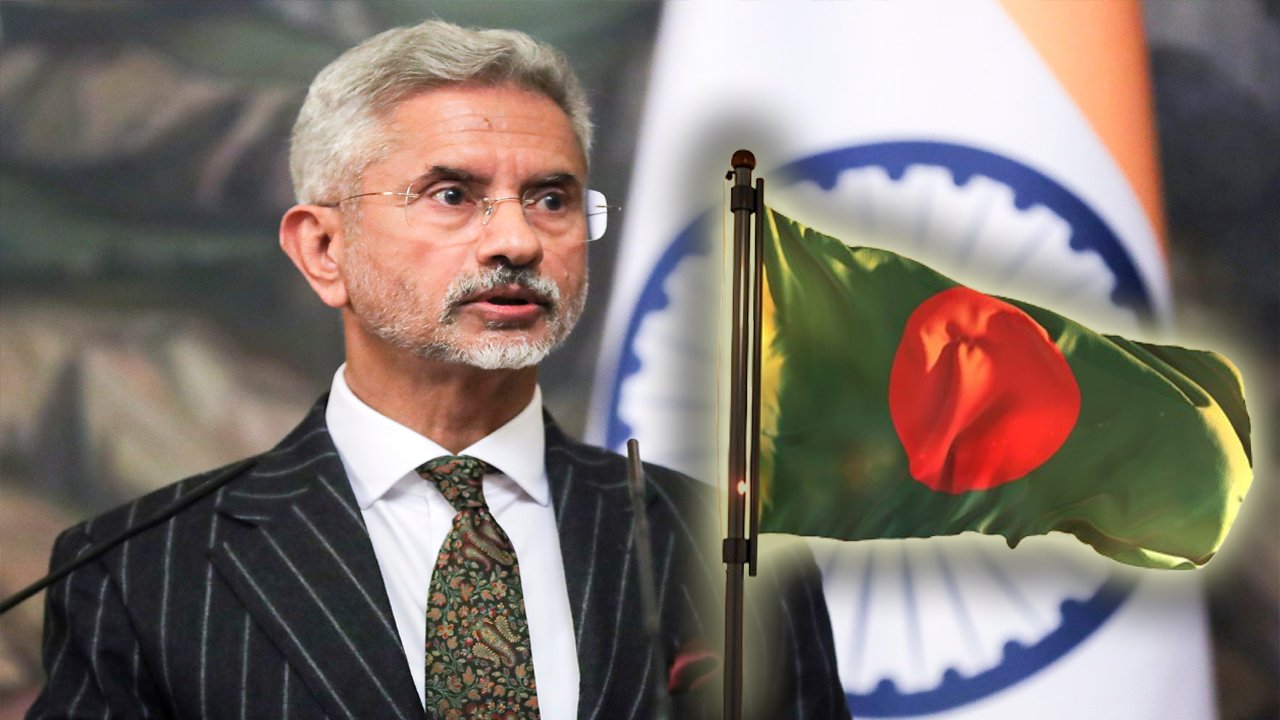
Delhi/Hyderabad, Jan 2 (Maxim News): External Affairs Minister S Jaishankar on Friday spoke about India’s approach towards its neighbours, drawing a clear distinction between what he described as “good neighbours” and “bad neighbours”, and said New Delhi’s policies are guided by practicality and common sense.
His remarks came days after he visited Bangladesh to attend the funeral of the country’s first female prime minister, Khaleda Zia. During the visit, Jaishankar represented India at the ceremony and conveyed Prime Minister Narendra Modi’s condolence message to Zia’s son and acting BNP chairperson, Tarique Rahman. Addressing a question at an event held at IIT Madras in Chennai, Jaishankar explained how India responds to neighbours depending on their conduct. He said when a neighbouring country behaves positively or at least does not harm India, the natural response is to extend goodwill, support and cooperation. In such cases, India seeks to build relationships, offer assistance during times of difficulty and foster friendship, even if it is limited to basic engagement.
He added that India has consistently invested in and supported friendly neighbours, citing examples such as supplying vaccines during the Covid-19 pandemic, extending fuel and food assistance during the Ukraine conflict, and providing about $4 billion in aid to Sri Lanka during its economic crisis.
Jaishankar then addressed the issue of hostile neighbours, referring to those that persistently engage in terrorism. He said India has an unquestionable right to defend itself against such actions and will decide independently how to exercise that right. According to him, no external authority can dictate how India should protect its security, calling this stance a matter of basic common sense.
In an apparent reference to Pakistan and India’s decision to suspend the Indus Waters Treaty following last year’s Pahalgam terror attack, the minister said earlier agreements, including water-sharing arrangements, were based on goodwill and mutual trust. However, he argued that goodwill cannot continue if one side repeatedly resorts to terrorism. Jaishankar stressed that the benefits of neighbourly cooperation cannot be selectively claimed while hostile actions persist. He said a country cannot expect cooperation and shared resources while simultaneously undermining peace and security, underlining that good neighbourliness must be mutual for its benefits to endure. (Maxim News)
Now you can get the latest stories from Indtoday on Telegram every day. Click the link to subscribe. Click to follow Indtoday’s Facebook page, Twitter, and Instagram. For all the latest Hyderabad News updates
More Stories:
Hare Krishna Foundation Signs Agreement To Support School Breakfast Scheme

The Hare Krishna Foundation receives Rs 5.17 crore for a Nagarkurnool kitchen to support the government school breakfast scheme.
Dino Morea Arrested In Mithi River Desilting Case
Dino Morea was reportedly arrested in the Mithi River desilting case, while the actor denied reports that he was detained or arrested.
Tiranga Ahimsa Rally: 187 Cars Join Hyderabad Event
Tiranga Ahimsa Rally in Hyderabad saw 187 cars carry the national and Jain flags, promoting Ahimsa, harmony and national unity.