
Tehran Airstrikes Spread Destruction As Conflict Intensifies

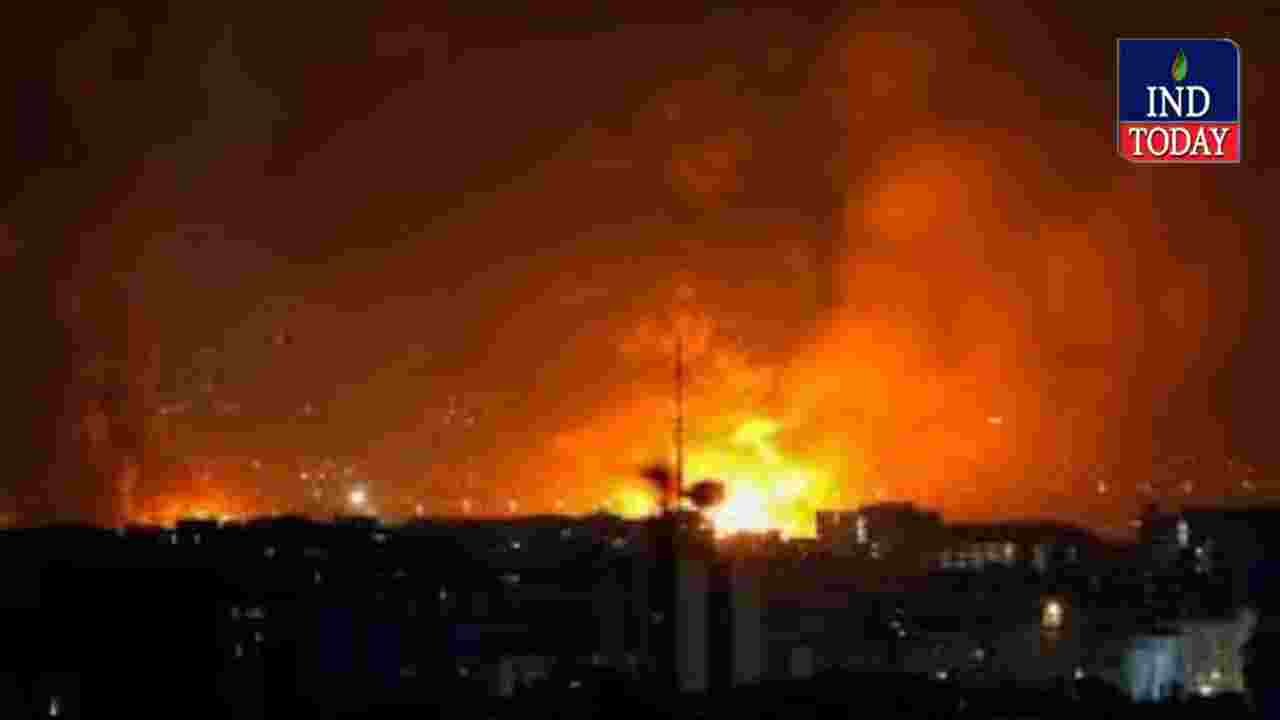
- Tehran airstrikes hit military sites, infrastructure and civilian areas
- Tehran airstrikes raise fears of wider conflict and retaliation
Hyderabad: Tehran airstrikes have intensified as US and Israeli forces carried out repeated strikes across Iran’s capital, causing widespread destruction and raising fears of a prolonged conflict. Media reports said the bombardment has hit military installations, infrastructure linked to Iran’s defence apparatus, and several civilian areas across the city.
Thousands of munitions have struck targets across the sprawling capital. The strikes have hit military sites, security installations and facilities tied to Iran’s defence network. However, they have also damaged cultural landmarks and residential neighbourhoods in the metropolis of nearly 17 million people, according to media reports.
Meanwhile, The Wall Street Journal reported that the US Israeli campaign has deeply affected life in the capital. The newspaper said the strikes have “left a trail of destruction across the capital of Tehran, spreading a sense of dread and paranoia across a 1,000-year-old city that has seen war before but never anything like this.” Explosions have repeatedly shaken neighbourhoods as missiles hit different parts of the city.
Later, airstrikes triggered a major fire at a refinery in southern Tehran after oil storage tanks were struck. The incident marked a serious escalation as energy infrastructure became a target during the bombardment. Plumes of smoke rose over industrial districts while explosions echoed across the city.
Residents described daily life under constant attacks. One woman in Tehran told the Wall Street Journal, “It’s like an absurd picnic. People sit, eat snacks, and ask each other where the missile hit.” Her remarks reflected the unusual mix of fear and routine that residents now face.
According to US officials, the strikes have targeted command centres, missile sites and installations connected to the Islamic Revolutionary Guard Corps and its Basij militia. The operations appear aimed at weakening Iran’s military command structure and internal security forces.
However, civilian life has also suffered heavy disruption. Hospitals, schools and residential areas have sustained damage during repeated bombardments. The Coordination Council of Iranian Educators’ Associations raised concerns about attacks near educational and medical facilities.
“Schools and hospitals must be safe and nonmilitary zones; places for education, treatment, and care, not war targets,” the council said in a statement cited by the Wall Street Journal.
Meanwhile, Iranian officials warned of retaliation as tensions continued to rise. Senior Iranian security official Ali Larijani said, “We will not let Trump go, he must pay the price,” in remarks broadcast on Iranian state television, according to media.
Israeli leaders signalled that the campaign may intensify further. Prime Minister Benjamin Netanyahu said Israel will continue striking Iran “with all our might,” and added there are “many more targets and surprises prepared,” according to media.
US President Donald Trump also suggested the conflict could expand if Tehran does not change course. Speaking aboard Air Force One, he said Washington wanted Iran to have leadership that would not lead the country into further wars. “We don’t want to come back every five years or every 10 years and do this,” Trump told reporters, according to media. “We want to pick a president that’s not going to be leading their country into a war.”
Across Tehran, daily life has been disrupted as residents flee some neighbourhoods while others remain in the city. Many people gather on rooftops at night to watch explosions light the sky, while missiles and air raid sirens have become a routine part of life.
Analysts said the bombardment has revived memories of the Iran Iraq war of the 1980s when Iraqi forces launched missile attacks on Iranian cities. However, they noted that the current campaign is more concentrated and technologically advanced.
Even as the airstrikes intensify, US intelligence officials have warned that the campaign may not achieve Washington’s political objectives quickly. According to The Washington Post, a classified US intelligence assessment concluded that even a large scale military assault on Iran would be “unlikely” to topple the country’s entrenched clerical and military establishment.
Officials said Iran’s leadership structure is designed to maintain continuity of power even if senior figures are killed. Analysts therefore believe that while the strikes have damaged military infrastructure, removing Iran’s political leadership could remain far more difficult.
Now you can get the latest stories from Indtoday on Telegram every day. Click the link to subscribe. Click to follow Indtoday’s Facebook page, Twitter, and Instagram. For all the latest Hyderabad News updates and Follow us on GoogleNews
