
US Strike Iran During Ramadan? Tensions Rise

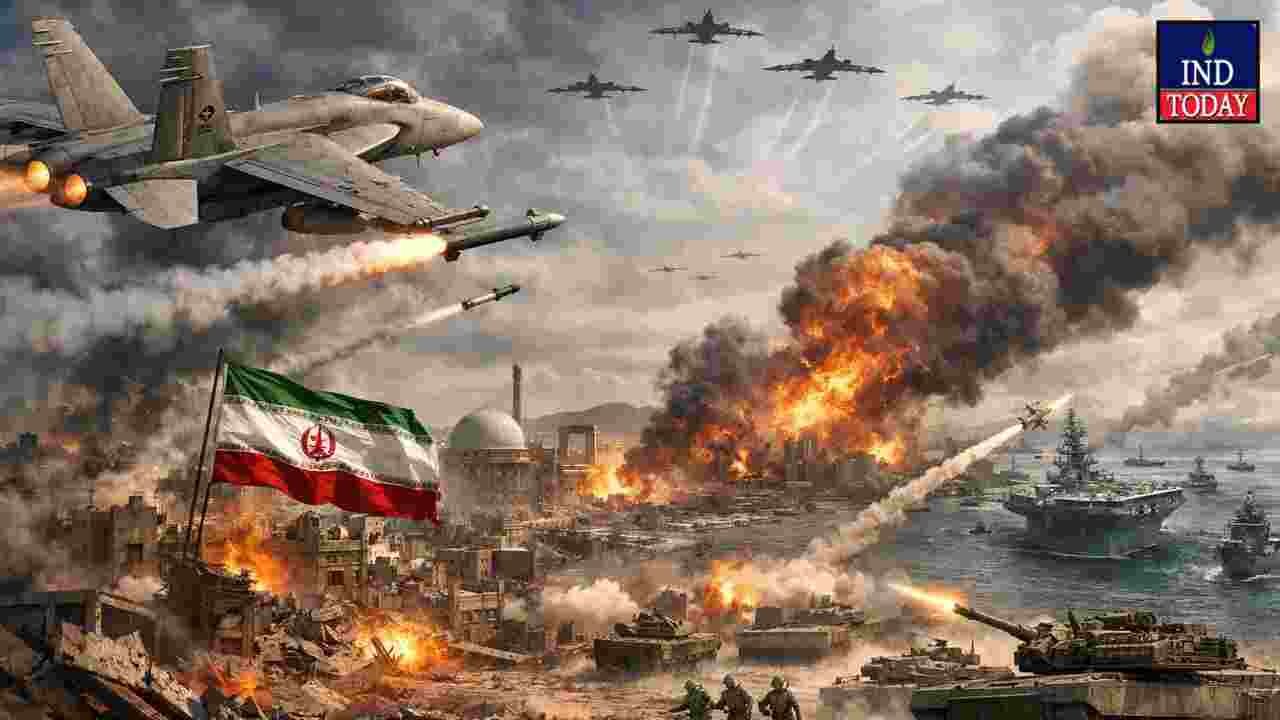
Hyderabad: An uneasy question is circulating in Washington and across Middle Eastern capitals: could the United States launch military action against Iran during the holy month of Ramadan? The concern has intensified as the US reportedly strengthens its military presence in the region. Observers describe it as the largest American deployment there in more than two decades.
Reports indicate that two US aircraft carriers, multiple naval vessels, and a significant number of combat aircraft have been positioned within operational range of Iran. Therefore, the scale of the build up has triggered debate among policymakers and analysts about Washington’s next move. Meanwhile, diplomats and regional allies are closely watching developments.
Ramadan significance and risk of military action against Iran
Ramadan, which began on February 18 and is expected to conclude around March 18, holds deep spiritual importance for Muslims worldwide. It is a month of fasting, prayer, and reflection. However, a military strike on a Muslim majority country during this sacred period would likely provoke strong reactions across the Islamic world. Diplomats and regional allies are reportedly hoping that no such escalation occurs.
Beyond the immediate humanitarian and political fallout, an attack during Ramadan could also complicate ties with Gulf nations. Their cooperation would be essential in managing any aftermath. Therefore, the timing of any action carries serious diplomatic weight.
History shows Ramadan has not stopped wars
Despite the religious importance of the month, history shows that Ramadan has not always prevented military action. In 1973, Egypt and Syria launched a coordinated assault against Israel during Ramadan. The conflict, widely referred to in the Arab world as the Ramadan War, coincided with Israel’s observance of Yom Kippur. The timing was strategically chosen. Military calculations outweighed religious considerations.
Similarly, during the Iran Iraq War, Iran initiated an offensive against Iraqi forces in 1982 at the start of Ramadan. The operation, notably named Operation Ramadan, further shows how strategic interests have taken priority even during the holy month.
For the current US administration, the decision would likely depend more on geopolitical strategy than symbolism. Maintaining a large military presence in the Middle East carries high financial and logistical costs. Some analysts suggest that prolonged deployment could pressure Washington into making a decisive choice instead of sustaining an extended show of force.
The US president has publicly acknowledged that military options are under consideration. He indicated that a decision could be made within days or weeks. That timeframe overlaps with Ramadan. According to media reports, internal discussions include arguments both supporting and opposing action. One concern is Iran’s reported efforts to reinforce sensitive nuclear facilities. That could reduce the effectiveness of any future strike and narrow the window for diplomacy.
As tensions persist, the situation remains fluid. Any move would have far reaching consequences for US Iran relations, regional stability, and global energy markets. While history shows Ramadan does not automatically halt conflict, its political and emotional weight adds complexity to an already volatile standoff.
Now you can get the latest stories from Indtoday on Telegram every day. Click the link to subscribe. Click to follow Indtoday’s Facebook page, Twitter, and Instagram. For all the latest Hyderabad News updates and Follow us on GoogleNews
