
States Can’t File Writ Petitions In SC Against Actions Of President, Governor In Dealing With Bills: Centre

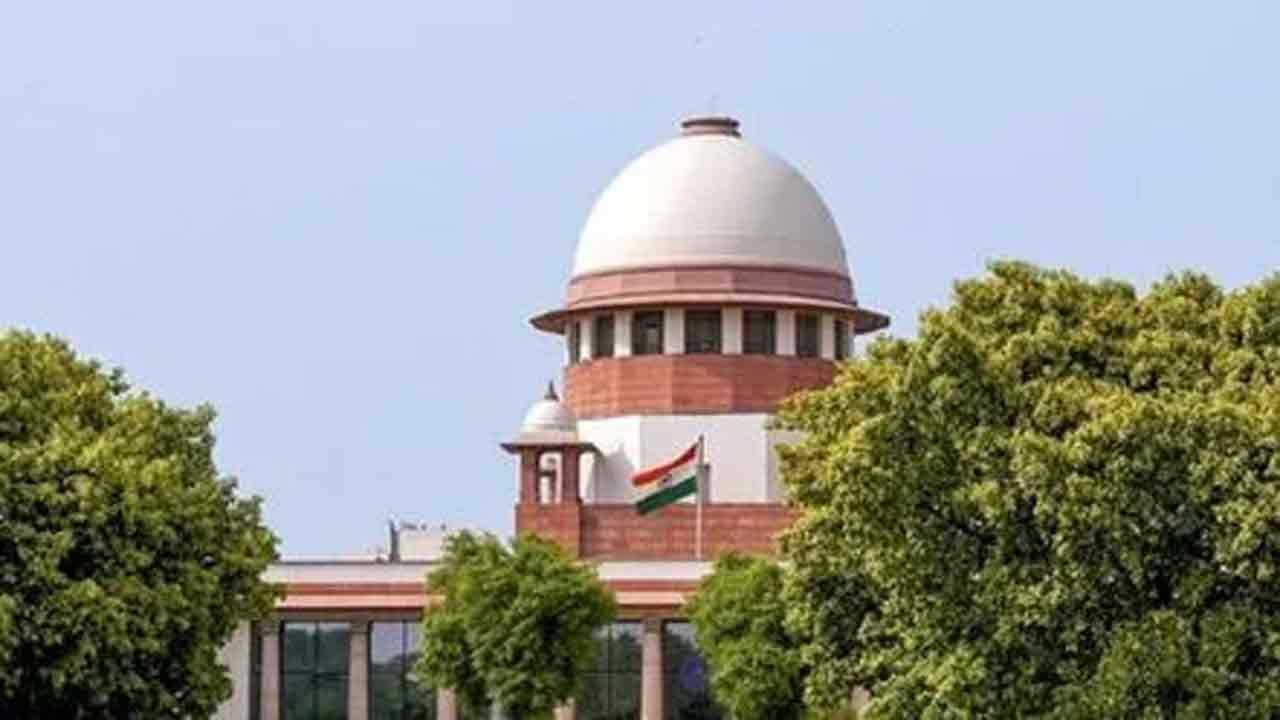
Delhi/Hyderabad, Aug 28 (Maxim News): The Centre on Thursday told the Supreme Court that state governments cannot invoke writ jurisdiction in moving the apex court against the actions of the President and the governor in dealing with the bills passed by assemblies for violation of fundamental rights.
A five-judge bench Constitution bench headed by Chief Justice BR Gavai was told by Solicitor General Tushar Mehta, appearing for the Centre, that the President would like to have an opinion of the apex court on whether states can file a writ petition under Article 32 of the Constitution for violation of fundamental rights.
He said the President would also like to have an opinion on the scope of Article 361 of the Constitution, which says the President, or the Governor, will not be answerable to any court for the exercise and performance of the powers and duties of his office or for any act done.
Mehta told the bench, also comprising Justices Surya Kant, Vikram Nath, PS Narasimha, and AS Chandurkar, that they have debated over these questions in the reference, but the President thinks that she would like to have the view of the court to know the exact legal position, as an issue may arise in the future.
He submitted that Article 32 petition on behalf of the state against the action of the governor and the President cannot be filed as it is not maintainable, no direction can be issued to them, and thirdly, the action of the governor and the President in dealing with the bills is not justiciable.
“Article 32 lies when there is a violation of fundamental rights and the state government in the constitutional scheme does not in itself have the fundamental right. It is a repository of functions that is to protect fundamental rights of its people,” Mehta said.
The solicitor general referred to the April 8 Tamil Nadu verdict in which states were given liberty to approach the apex court directly in case the timeline is not adhered to by the governor in clearing the bills passed by the assembly.
CJI Gavai said it will not say any words about the two-judge verdict of April 8, but the Governor would not be justified in sitting over the bill for six months
Mehta submitted that one constitutional organ not discharging its duties does not entitle the court to direct another constitutional organ.
The CJI said, “Yes. We know what your argument is. If this court does not decide the matter for 10 years, would it be justified for the President to issue an order?”
The hearing is underway.
On August 26, the top court wondered whether the court should sit powerless if a Governor delays assent to bills indefinitely, and if the constitutional functionary’s independent power to withhold a bill would mean that even money bills could be blocked.
The court raised the questions after some BJP-ruled states defended the autonomy of Governors and the President in assenting to bills passed by a legislature, submitting that “assent to a law cannot be given by a court”. The state governments also contended that the judiciary cannot be a pill for every disease.
The top court is hearing the Presidential reference on whether the court could impose timelines for governors and the President to deal with bills passed by state assemblies.
In May, President Droupadi Murmu exercised powers under Article 143(1) to know from the top court whether judicial orders could impose timelines for the exercise of discretion by the president while dealing with bills passed by state assemblies. (Maxim News)
Now you can get the latest stories from Indtoday on Telegram every day. Click the link to subscribe. Click to follow Indtoday’s Facebook page, Twitter, and Instagram. For all the latest Hyderabad News updates
Next Story…
Iranian Military Mocks Trump’s Claim Of US-Iran Negotiations
![Iranian Military Mocks Trump’s Claim Of US-Iran Negotiations]()
Iran US Talks face setback as Iranian military mocks US claims of negotiations, rejects ceasefire plan and signals firm stance amid rising tensions.
Trump Ceasefire Plan Offered To Iran Amid Tensions
![Trump Ceasefire Plan Offered To Iran Amid Tensions]()
Trump Ceasefire Plan offered to Iran as US boosts troops. Airstrikes, missile attacks continue while talks face major challenges in the region.
Hyderabad Woman Arrested In AQIS Link Case
![Hyderabad Woman Arrested In AQIS Link Case]()
Hyderabad Woman Arrested in AQIS link case. AP Police detain Sayeeda Begum in Chanchalguda, probe alleged anti-national activities and conspiracy.