




- AI method uses retina images to detect diabetes
- Researchers say AI retina scan can spot diabetes early
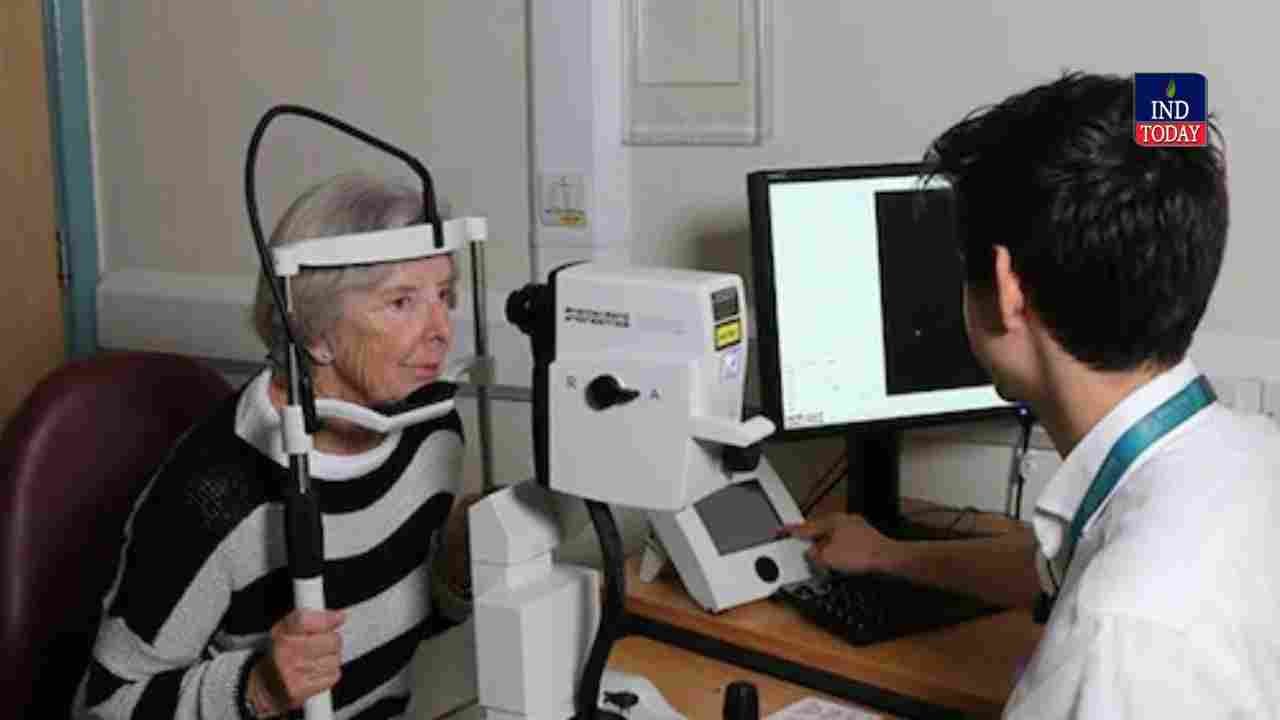
Hyderabad: A team of Indian and US researchers has developed an AI method to detect diabetes using retina images, without traditional blood tests. The technique uses a high resolution photograph of the retina, or the back of the eye, to identify signs of high blood sugar. The researchers say the method can help detect diabetes early and without invasive procedures.
The study appeared in the journal Diabetes Technology and Therapeutics. It showed that artificial intelligence can identify tiny changes in the eye’s blood vessels that the human eye cannot see. These changes help the system distinguish between people with and without diabetes. Therefore, the method removes the need for finger prick blood tests during initial screening.
Dr. V. Mohan, a Chennai based diabetologist and Padma Shri awardee who was part of the study, highlighted the scale of the problem. “India has over 100 million people with diabetes, and very often, many do not even know they have it. If the use of AI tools with simple retinal photos can help early diagnosis of diabetes, it can be used in real-time in the future to screen for diabetes,” he said. His statement underlined the potential public health impact of the AI method.
Meanwhile, Dr. Sudeshna Sil Kar from Emory University in the US explained how the system works. She said the researchers trained the AI to study specific shapes and patterns in retinal veins. They used retinal photos from people with diabetes and those without it. The goal was to help the system learn subtle differences linked to blood sugar levels.
The research team included experts from Yenepoya deemed to be University in Karnataka. They analysed 273 retinal images from 139 participants. They also extracted 226 quantitative vessel tortuosity features separately for arteries and veins using machine vision based approaches. Later, they tested how accurately the system could detect diabetes.
The results showed strong accuracy. The AI technique identified diabetes with 95 per cent sensitivity in the test group. It could also detect prediabetes, a stage where lifestyle changes can help prevent the disease. Therefore, researchers said the method could support early intervention.
The team said the approach offers a non invasive way to detect diabetes. It does not require fasting, blood tests, or costly laboratory equipment. However, the expert stressed the need to validate the findings in a larger population before wider use.
Now you can get the latest stories from Indtoday on Telegram every day. Click the link to subscribe. Click to follow Indtoday’s Facebook page, Twitter, and Instagram. For all the latest Hyderabad News updates and Follow us on GoogleNews