


El Niño Crisis | Hyderabad, Oct. 27: Telangana Pradesh Congress Committee (TPCC) official spokesperson Syed Nizamuddin has accused the Bharat Rashtra Samithi (BRS) of exploiting the El Niño-related water crisis for political gains. He said the state needed cooperation and coordinated planning to protect farmers, rural workers and drinking water supplies.
Addressing a press conference at Gandhi Bhavan on Monday, Nizamuddin said deficient rainfall, declining reservoir levels and pressure on groundwater had created serious challenges. He alleged that the BRS was creating fear and confusion instead of supporting efforts to manage the situation.
According to the figures cited by Nizamuddin, Telangana received 615.5 mm of southwest monsoon rainfall between June and September, against a normal of 740.6 mm. This represented a deficit of around 17 per cent.
El Niño Crisis in Telangana: Congress Outlines Water and Agriculture Measures
Nizamuddin said the Congress government, led by Chief Minister A. Revanth Reddy, was addressing the situation through a coordinated approach covering drinking water, agriculture, employment and electricity.
He said a Cabinet sub-committee headed by Deputy Chief Minister Mallu Bhatti Vikramarka had been constituted to review the situation. A nodal officer had also been appointed to improve coordination between departments and ensure accurate information reached the public.
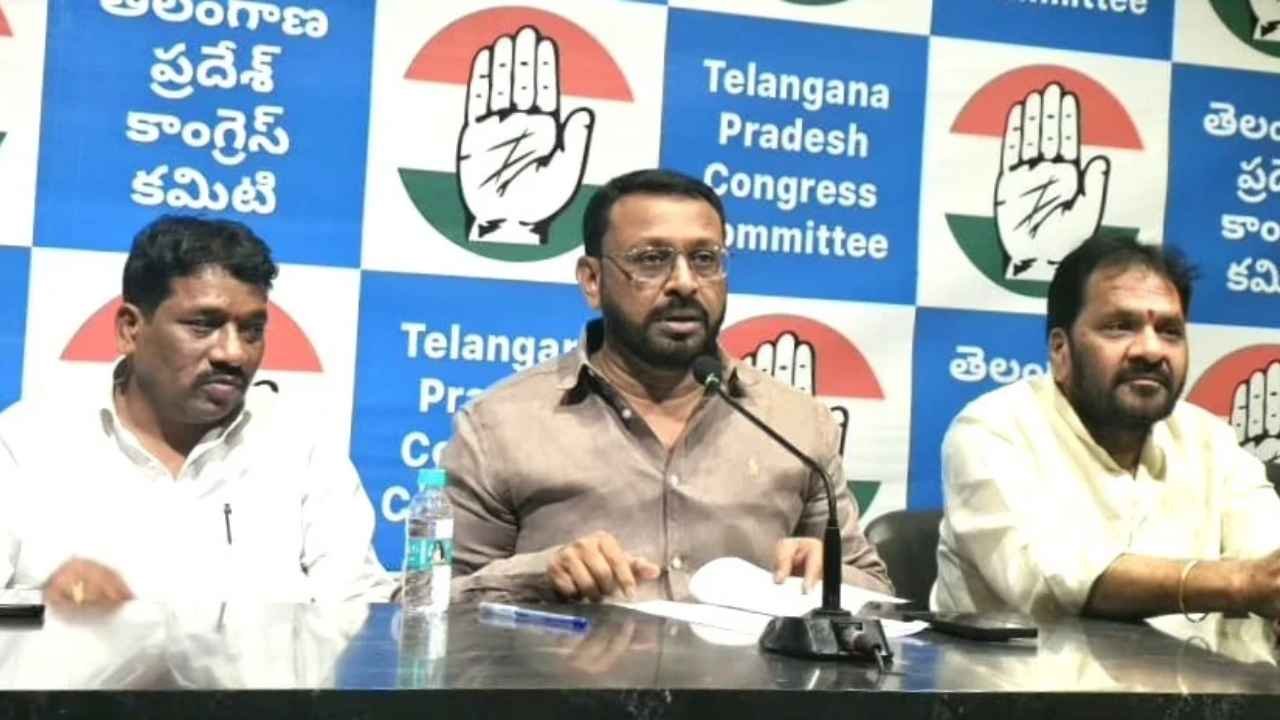
The TPCC spokesperson highlighted a proposed four-month special employment programme, running from after Sankranti until the end of May. The programme is intended to support rural labourers and vulnerable families during the lean agricultural period by combining available Central scheme funds with additional state support.
He said public representatives had also been asked to remain in contact with villages and respond promptly to local concerns.
On agriculture, Nizamuddin said farmers had been advised to consider rainfed crops and vegetables where suitable and avoid water-intensive cultivation in areas without assured irrigation. He defended the advisory against Rabi paddy cultivation in vulnerable areas, saying advance planning could help prevent crop losses.
He added that drinking water had been given the highest priority amid declining storage in reservoirs and pressure on minor irrigation sources. Rising electricity demand, driven partly by greater dependence on borewells and pump sets, had also made water and power conservation essential.
Nizamuddin further referred to the Hyderabad Metropolitan Water Supply and Sewerage Board’s proposed Green Water tanker initiative, scheduled for launch on November 1. The initiative is intended to supply treated wastewater for non-drinking purposes, including construction, industrial use, parks, road cleaning and dust control.
The proposed system will include GPS-tracked tankers, online registration, booking, payments and delivery confirmation. According to Nizamuddin, using treated wastewater for suitable purposes could reduce dependence on drinking water and fresh groundwater.
He said the government had undertaken expert consultations, contingency planning and reviews of water, agricultural and electricity requirements. He also cautioned against exaggerated claims about El Niño, stressing that its effects vary between climatic cycles.
Nizamuddin urged the BRS to present alternative solutions rather than blame the government for deficient rainfall. He appealed to the public to follow official advisories and cooperate in conserving water and electricity.
He said protecting farmers, workers and drinking water supplies should remain the priority, adding that coordinated action by the government, communities and industries would be essential in the coming months.
Now you can get the latest stories from Indtoday on Telegram every day. Click the link to subscribe. Click to follow Indtoday’s Facebook page, Twitter, and Instagram. For all the latest Hyderabad News updates and Follow us on GoogleNews