


New Delhi, June 7: India and Nepal have signed a Memorandum of Understanding (MoU) to strengthen cooperation in multilingual artificial intelligence, Digital Public Infrastructure (DPI), and inclusive digital ecosystems. The agreement aims to enhance language technology and digital access across both countries.
The MoU was signed between the Digital India BHASHINI Division under the Ministry of Electronics and Information Technology and Kathmandu University’s Centre for Digital Public Infrastructure and Artificial Intelligence.
India Nepal Partnership to Advance Multilingual AI
The agreement establishes a collaborative framework for developing Language AI, multilingual digital infrastructure, and inclusive digital services across India and Nepal.
Amitabh Nag, CEO of the Digital India BHASHINI Division, said BHASHINI’s open Digital Public Infrastructure model has the potential to transform digital access for millions of people across South Asia. He added that the partnership would help expand multilingual AI capabilities while strengthening the shared linguistic and cultural heritage of both nations.
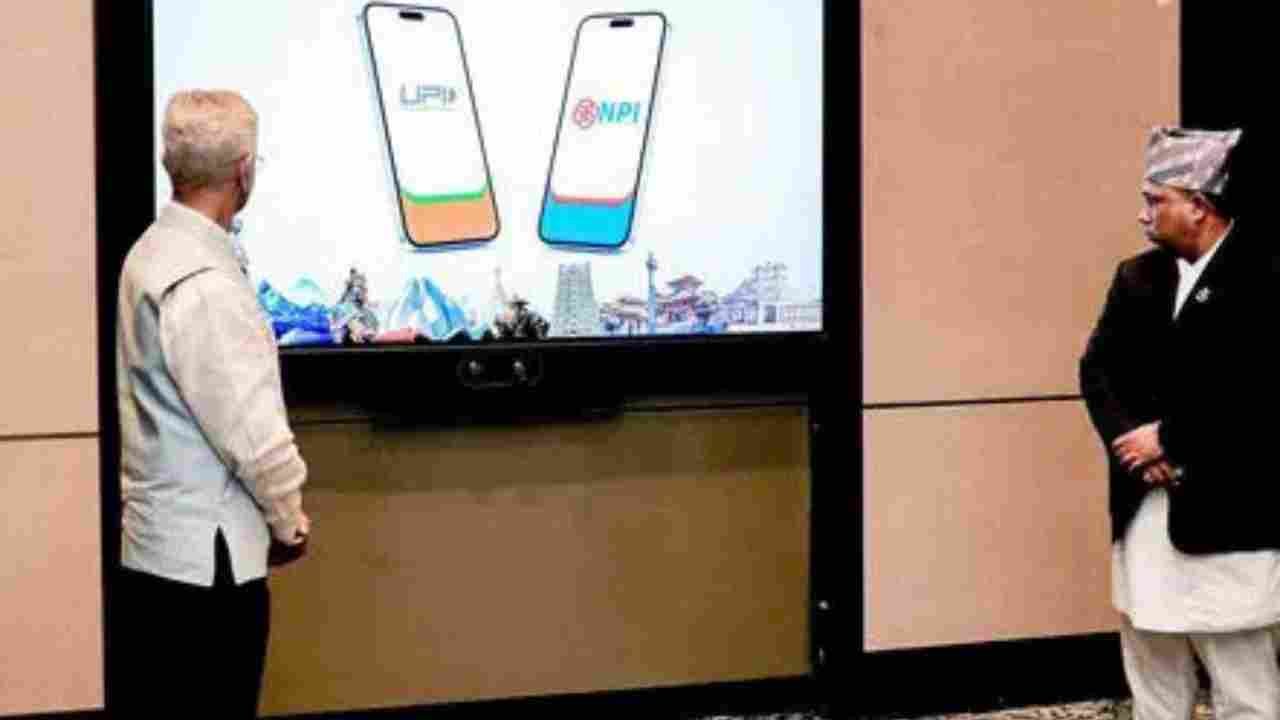
The exchange of the MoU took place in the presence of External Affairs Minister Dr. S. Jaishankar and Nepal’s Foreign Minister Shishir Khanal.
Under the agreement, both institutions will work together to develop high quality Nepali language datasets, speech corpora, and multilingual AI tools. The collaboration will focus on technologies such as speech to text, text to speech, machine translation, and multilingual conversational AI.
The partnership will also support the preservation and digitisation of linguistic and literary heritage, particularly for low resource and underrepresented languages in the India Nepal region. Officials said the initiative aims to ensure that communities at risk of digital exclusion can access AI powered services in their native languages.
Professor Bal Krishna Bal, Associate Dean at Kathmandu University, said the partnership reflects a shared commitment to using artificial intelligence for linguistic inclusion and social impact. He noted that the initiative would strengthen people to people ties while addressing language, literacy and digital barriers across the region.