


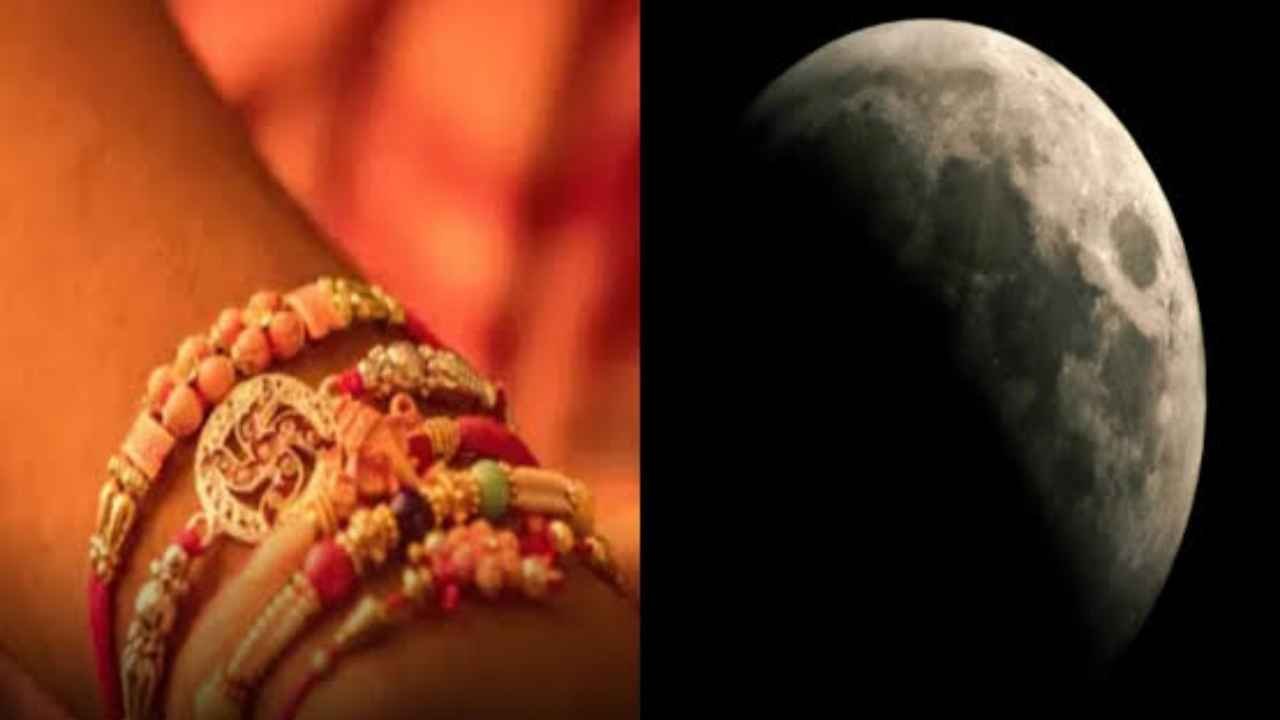
Chandra Grahan 2026 | Hyderabad: The last lunar eclipse of 2026 is taking place on Friday, August 28. However, the eclipse will not be visible in India, according to the report.
The lunar eclipse coincides with Raksha Bandhan this year. This has led to questions about the festival, Sutak timings and restrictions in India.
However, the eclipse will occur when it is daytime in India. The Moon will also remain below the horizon during the event. Therefore, people in India cannot observe the eclipse.
Chandra Grahan 2026| Lunar Eclipse Will Not Affect Raksha Bandhan
According to the report, the lunar eclipse will begin at around 6:55 am IST. The complete eclipse process will continue until around 12:30 pm. The event will last for nearly five hours and 38 minutes.
The eclipse will be visible in parts of western Asia, Africa, Europe and South America. However, India will not fall within the visibility zone.
As a result, the Sutak period associated with the eclipse will not apply in India. Religious restrictions linked to food, worship and temple timings will also not apply because the eclipse will not be visible here.
Raksha Bandhan will also be celebrated across the country on August 28. Since the eclipse remains invisible in India, it will not create a restriction on Rakhi rituals.
Earlier reports also noted that the Bhadra period would end before Raksha Bandhan. Therefore, devotees can follow the festival rituals according to their local Panchang and customary timings.
The eclipse is a deep partial lunar eclipse. Astronomical calculations indicate that a large portion of the Moon will enter Earth’s shadow during the event. In regions where it is visible, the Moon may appear reddish or copper coloured.
For people in India, however, there is no need to change Raksha Bandhan plans because of the eclipse. Sisters can tie Rakhi according to the suitable local Muhurat.
The development is particularly relevant this year because the lunar eclipse and Raksha Bandhan fall on the same date. Still, the eclipse’s lack of visibility in India means the festival can proceed normally.