
Pakistan Strikes Afghanistan: Taliban Reports Civilian Deaths

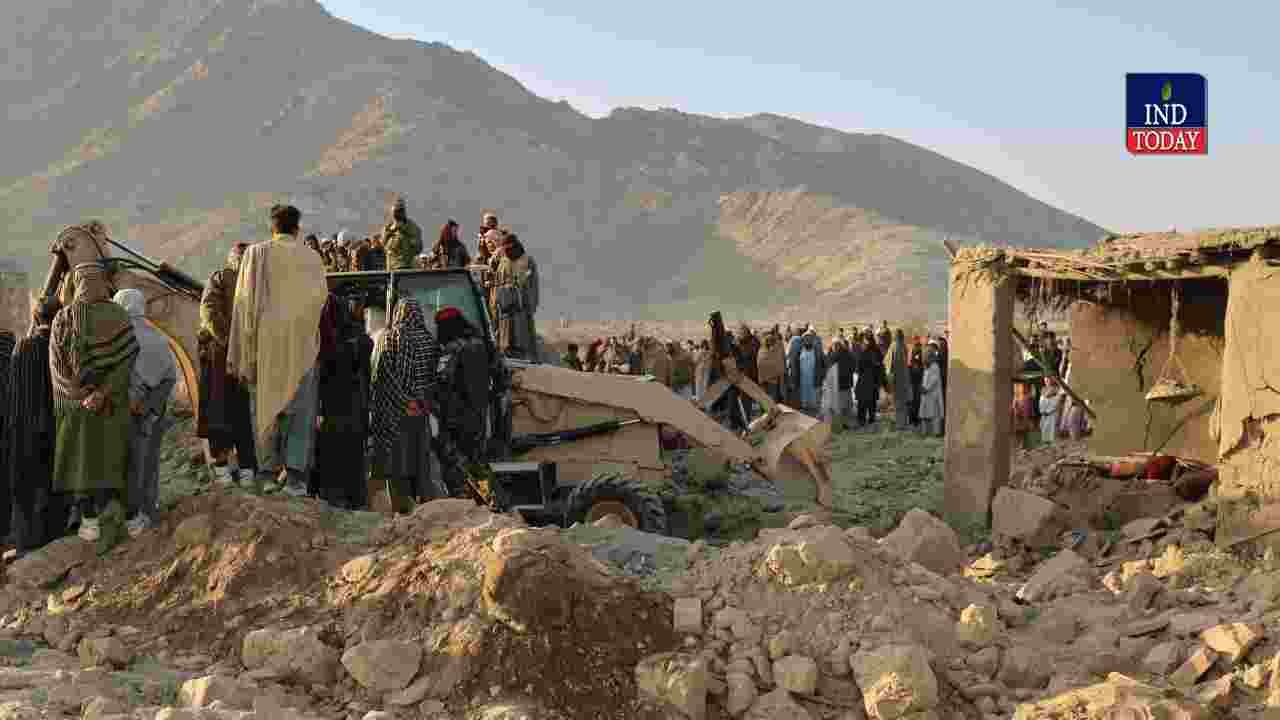
- Pakistan strikes Afghanistan provinces Kabul, Kandahar, Paktia, Paktika
- Taliban condemns Pakistan strikes and alleges civilian casualties
Hyderabad: Pakistan strikes Afghanistan across several provinces, including Kabul, Kandahar, Paktia and Paktika, according to Taliban spokesperson Zabihullah Mujahid. The strikes reportedly caused civilian casualties, including women and children, and increased tensions along the Afghanistan Pakistan border.
The Taliban condemned the military action and described the attacks as violations of Afghan sovereignty. According to Mujahid, the strikes hit multiple areas and in some locations targeted civilian homes.
Taliban alleges civilian deaths after Pakistan strikes Afghanistan
Zabihullah Mujahid said the Pakistani military carried out airstrikes in several Afghan provinces. He claimed the attacks followed what he described as earlier patterns of aggression by Pakistan.
“Continuing the pattern of previous aggressions and crimes, the Pakistani military regime has once again bombed Kabul, Kandahar, Paktia, Paktika, and some other areas.
In some places, it targeted civilians’ homes, leading to the death of women and children, and in other places, it targeted empty deserts and uninhabited areas,” Mujahid posted on X.
He further condemned the attacks and said the strikes came during the last days of Ramadan. “This unjust assault in the last ten days of the blessed month of Ramadan and on the threshold of Eid al-Fitr clearly indicates that they adhere to no human principles or moral values whatsoever. The Islamic Emirate condemns this crime and this flagrant assault in the strongest terms, and God willing, this injustice will not go unanswered.”
Meanwhile, Mujahid also alleged that Pakistani military aircraft set fire to fuel storage belonging to Kam Air, a private airline company near Kandahar International Airport. According to him, the company supplies fuel to civilian airlines and United Nations aircraft.
“This company supplies fuel to civilian airlines and United Nations aircraft. This comes at a time when they had previously also burnt fuel depots belonging to private traders named Haji Khan Zada,” the Taliban spokesperson posted on X.
Border clashes and retaliatory operations escalate tensions
Earlier, Afghan authorities said Taliban forces killed 30 Pakistani soldiers during clashes along the Pakistan Afghanistan border. Local media reports cited statements from Taliban defence ministry spokesperson Enayatullah Khwarazmi.
Khwarazmi said the fighting occurred in Shorabak district of Kandahar province. According to him, Taliban fighters captured a Pakistani military outpost during the clashes. He said the fighters destroyed the post using explosives after capturing it.
Khwarazmi also claimed that 30 Pakistani soldiers died in the fighting, including 20 soldiers sent as reinforcements. He further stated that Taliban forces captured five Pakistani military posts in the Dand Patan area of Paktia. He added that Taliban fighters entered posts Top Sar Khwuch Karam and Anzerki Sar.
The current round of hostilities began when Taliban led Afghan forces launched retaliatory operations against Pakistani military installations on February 27. These operations followed Pakistan’s earlier actions targeting militants inside Afghan territory on February 21.
After Afghanistan’s attacks, Pakistan launched ‘Operation Ghazab lil Haq’ in response to what it described as “unprovoked firing” by Afghan forces across several border sectors. The developments have further heightened tensions along the Afghanistan Pakistan border.
Now you can get the latest stories from Indtoday on Telegram every day. Click the link to subscribe. Click to follow Indtoday’s Facebook page, Twitter, and Instagram. For all the latest Hyderabad News updates and Follow us on GoogleNews
