
US Iran Conflict Escalates With Strikes And Tanker Hit

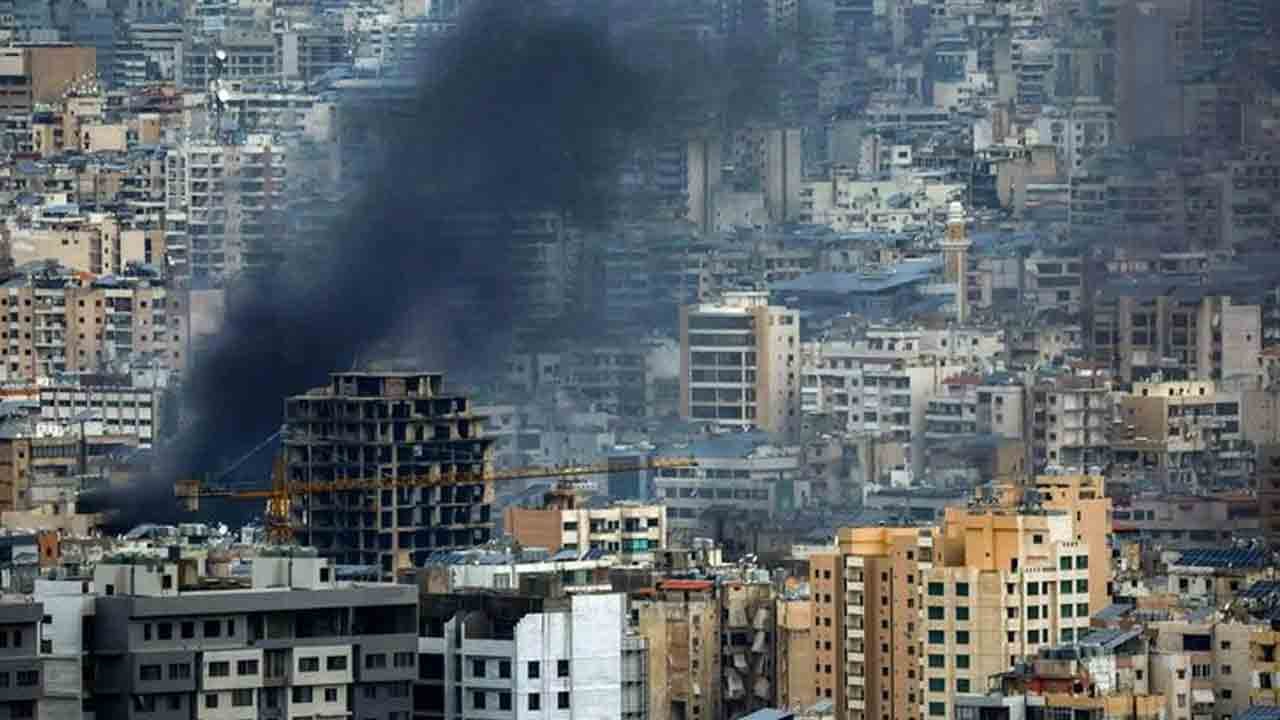
- US Iran conflict sees Isfahan strike and tanker attack
- Strait of Hormuz tension drives oil prices and global impact
Hyderabad, March 31: The US Iran conflict intensified after a likely United States strike hit Iran’s central city of Isfahan early Tuesday. The attack created a massive fireball in the sky. At the same time, Tehran struck a fully loaded Kuwaiti oil tanker in the Persian Gulf near Dubai.
The developments highlight the growing intensity of the ongoing war involving the United States and Israel against Iran. The conflict has now lasted for a month. Meanwhile, Iran continues to maintain control over the Strait of Hormuz. This has disrupted a key route for global energy shipments. Therefore, oil prices have surged sharply, affecting world markets.
Donald Trump shared a video of the Isfahan strike, showing large explosions lighting up the night sky. Isfahan hosts one of three nuclear-related sites earlier targeted by US forces in June. Reports suggest some highly enriched uranium may be stored or buried there. However, Iran has not yet confirmed the attack.
Meanwhile, tensions spread across the region. Israel reported that four of its soldiers were killed in Lebanon. Two United Nations peacekeepers were also killed. As a result, the United Nations Security Council scheduled an emergency session later on Tuesday.
The impact on global energy markets has been severe. Brent crude prices hovered around USD 107 per barrel in early trading. This marks an increase of over 45 percent since the war began on February 28. Iran’s control over the Strait of Hormuz, through which a fifth of the world’s oil passes, has further driven the surge.
In response to rising anger among Gulf nations, Iranian Foreign Minister Abbas Araghchi stated, “Our operations are aimed at enemy aggressors who have no respect for Arabs or Iranians, nor can provide any security,” and added, “High time to eject US forces.” However, attacks on civilian-linked targets have continued.
An Iranian drone struck a Kuwaiti oil tanker in Dubai waters, causing a fire that was later controlled, according to the Dubai Media Office. Additionally, four people in Dubai were injured after debris from an intercepted drone fell in a residential area.
Air raid sirens sounded in Bahrain. Saudi Arabia also intercepted three ballistic missiles aimed at Riyadh. Falling debris from another intercepted drone caused minor damage to six homes. Sirens were also heard in Jerusalem soon after Israel warned of incoming missiles from Iran.
Meanwhile, the United States and Israel launched another wave of strikes targeting Tehran early in the morning. Satellite data suggested explosions near Mount Soffeh, an area believed to hold military positions. A prior satellite image indicated Iran may have moved highly enriched uranium to the Isfahan facility before earlier strikes.
Trump stated that “great progress is being made” in ceasefire talks. However, he warned that if no deal is reached soon and the Strait of Hormuz remains closed, the US could expand its offensive further. The United States has also deployed 2,500 Marines to the region, with more forces on the way.
Casualties have continued to rise across regions. Iran reported more than 1,900 deaths. Israel reported 19 deaths. Gulf states and the West Bank reported two dozen deaths. Lebanon reported over 1,200 deaths and more than one million displaced people.
The situation remains tense. The conflict continues to impact global security, energy supply, and regional stability.
Now you can get the latest stories from Indtoday on Telegram every day. Click the link to subscribe. Click to follow Indtoday’s Facebook page, Twitter, and Instagram. For all the latest Hyderabad News updates and Follow us on GoogleNews
