



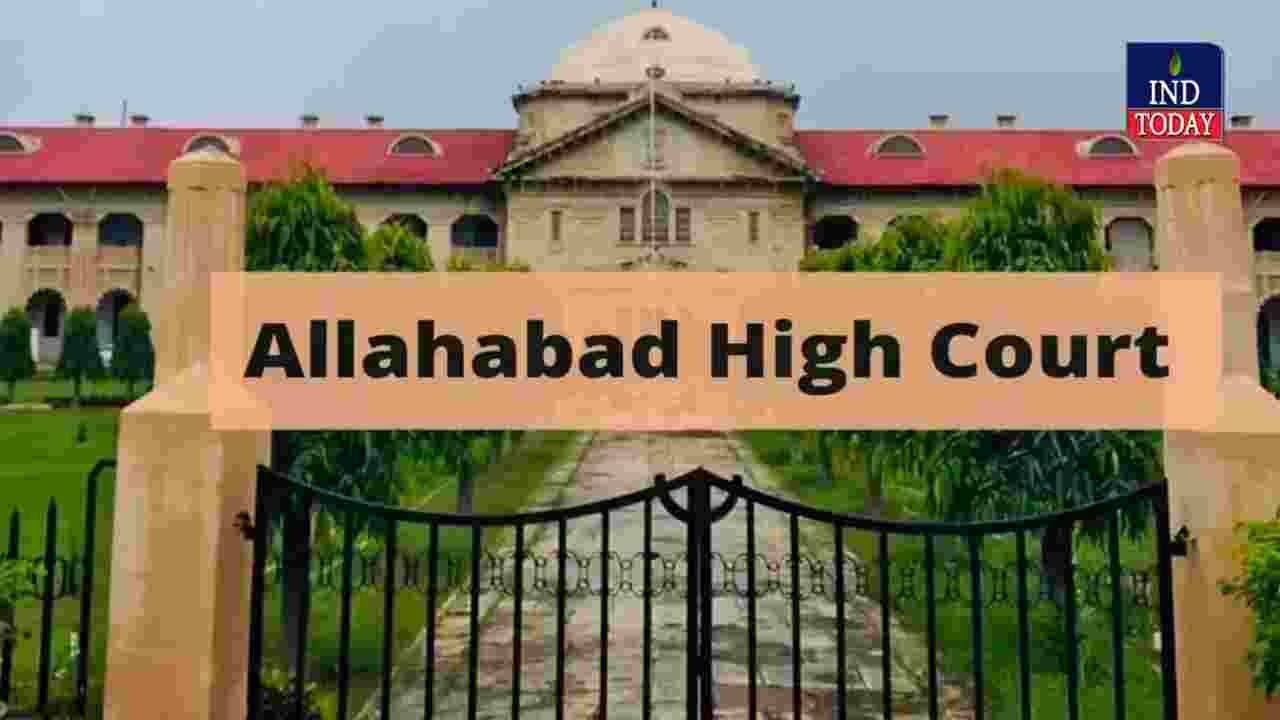
Allahabad/Hyderabad, May 2: The Allahabad High Court has dismissed a petition seeking permission and police protection to offer regular Namaz at a property in Sambhal, stating that religious freedom does not extend to turning private or public land into an unregulated congregational space.
Key Observations by the Court
A Division Bench of Justices Saral Srivastava and Garima Prashad held:
- The right to practice religion (Articles 25 & 26) is not absolute
- It is subject to:
- Public order
- Morality
- Health
- Private property can be used for:
- Personal or limited religious activity
- As long as it remains occasional and non-disruptive
- However, it cannot be converted into a regular public prayer venue involving large gatherings
On Public Land Use
The court made it clear:
- Public land cannot be claimed for recurring religious use
- No group can demand it as an exclusive or permanent prayer space
- Authorities can act proactively if an activity may disturb public order
Case Background
- The petitioner claimed ownership via a gift deed (June 2023)
- Alleged that authorities were preventing Namaz on the land
- Sought permission and police protection
However, the Uttar Pradesh government argued:
- The land is recorded as Abadi (public use land) in revenue records
- Namaz was historically offered only on specific occasions like Eid
- The plea aimed to introduce regular congregational prayers, which could affect local harmony
Court’s Conclusion
- The petition lacked specific evidence and details
- Ownership claims could not override official land records
- Even if private, regular mass gatherings cannot be demanded as a right
The court ruled:
“Freedom of religion is subject to public consequences, not just religious intent.”
Final Outcome
- Petition dismissed
- No enforceable legal right established
- Court emphasized balance between individual freedom and societal order