


Delhi/Hyderabad, Sept 2 (Maxim News): India’s national security planners are preparing to establish a unified intelligence grid to enhance operational capabilities and counter multi-front security threats posed by foreign adversaries, senior officials have said.
India has been facing a changing threat landscape that includes home-grown terror modules, honey-trapping, surveillance and information-gathering networks. The threats include the terror module recently exposed in Faridabad and surveillance activities linked to the Shahzad Bhatti network.
At the same time, the borders with Pakistan in Jammu and Kashmir and with Bangladesh remain areas of concern amid heightened terror-related activity.
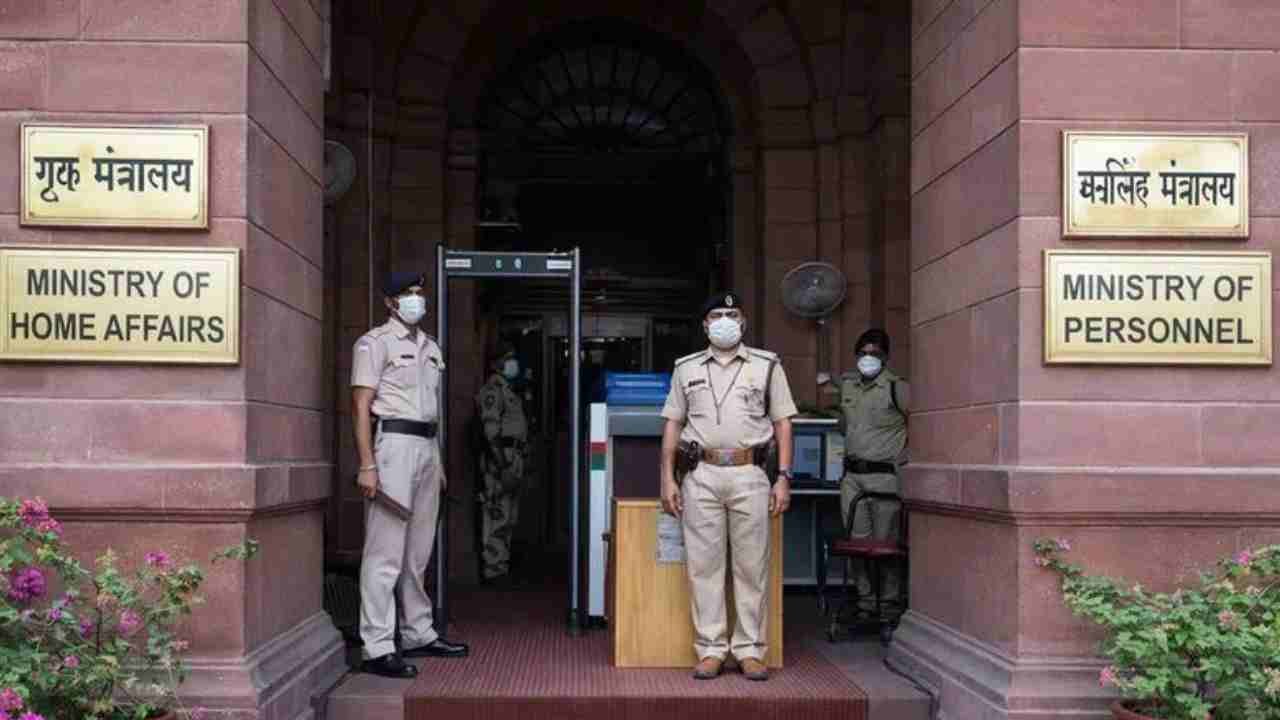
An official said the Narendra Modi government has consistently kept national security among its top priorities. “With continuous threats from adversaries, the need to boost intelligence capabilities becomes very important,” the official said. The Ministry of Home Affairs under Amit Shah has further strengthened its focus on national security spending, with particular emphasis on improving counter-intelligence measures.
According to another official, recent deliberations have focused on enhancing the operational capabilities of intelligence agencies. “The current mechanism is more about pre-emption, and with the threats going up with each passing day, it becomes important to expand operational capabilities,” the official said.
The officials said that Pakistan has been employing a range of methods to gain an advantage over India, with surveillance and information-gathering activities increasing substantially. Networks such as the one allegedly operated by Shahzad Bhatti had even managed to install solar-powered CCTV cameras at sensitive and crowded locations.
Security officials believe the nature of the threat is also changing. India has not witnessed the conventional pattern of terror strikes in recent years, with Pakistan increasingly relying on activities aimed at creating a perception of instability and weakening confidence in India. Pakistan-backed elements are also allegedly involved in disinformation campaigns, officials said.
Individual social media handles as well as networks associated with groups such as Sikhs for Justice (SFJ) are being used to target India and, in particular, its military.
Another growing challenge is narcotics smuggling through drones. Pakistan-based smugglers are increasingly using drones equipped with advanced technology to send drugs into Punjab, with multiple attempts being reported every day.
Officials said there are indications that attempts to send narcotics-carrying drones into Punjab are being increased. “The ISI (Inter Services Intelligence) is aware that several drones will be intercepted, but the repeated attempts put considerable pressure on the security apparatus. Some drones eventually manage to cross into India with their consignments,” officials said.
Counter-terrorism experts said these challenges are not confined to any one state and require seamless coordination between central and state agencies. They said India’s experience in tackling the Maoist insurgency offers important lessons, particularly on the need for coordinated intelligence and security operations.
Experts pointed out that coordination among various agencies was a key factor in bringing the Maoist threat close to an end. Against this backdrop, India’s security planners are discussing the creation of a unified intelligence grid to improve coordination and facilitate faster information sharing between central and state intelligence agencies.
Against this backdrop, security planners are discussing the creation of a unified intelligence grid to improve coordination and information sharing between central and state intelligence agencies.
Regular intelligence sharing would enable agencies to make operations more proactive and improve their ability to respond to emerging threats.
The officials said the focus going forward would extend beyond counter-intelligence and technical intelligence. Greater emphasis is also being placed on HUMINT, or human intelligence. Combining human intelligence with technical and counter-intelligence capabilities could strengthen India’s intelligence architecture and improve its ability to identify, disrupt and counter threats from adversaries, the officials said. (Maxim News)
Now you can get the latest stories from Indtoday on Telegram every day. Click the link to subscribe. Click to follow Indtoday’s Facebook page, Twitter, and Instagram. For all the latest Hyderabad News updates and Follow us on GoogleNews