


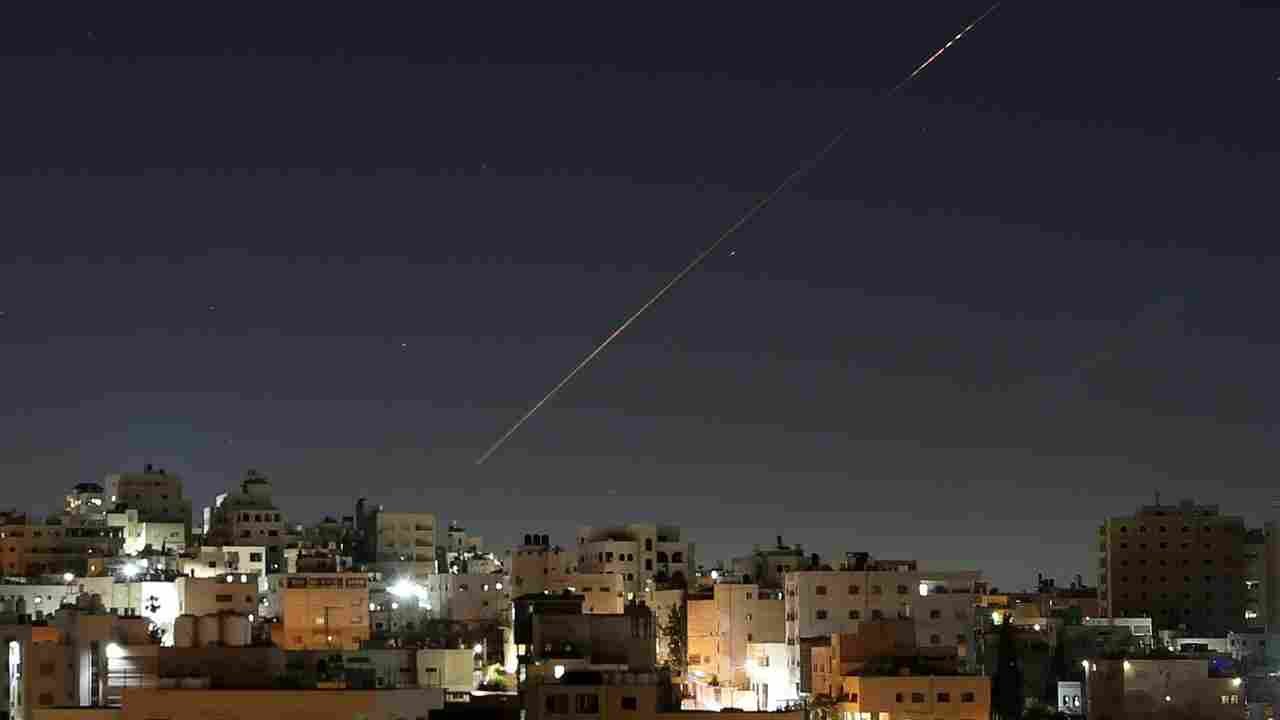
Hyderabad: Tensions in the Middle East escalated sharply after Iran launched a fresh missile attack on Israel, marking the first major confrontation since a fragile ceasefire came into effect on April 8.
Missiles streaked across the night sky as air raid sirens sounded in several parts of Israel, forcing millions of residents to take shelter. The Israeli military said it intercepted the incoming missiles, although multiple explosions were reported in northern Israel. Authorities later informed residents that it was safe to leave protected areas.
The attack came hours after Israel carried out strikes on Beirut’s southern suburbs, prompting warnings of retaliation from Tehran.
Israel Vows Response to Missile Attack
Israel strongly condemned the missile launches and signalled that it was prepared to respond.
Military spokesperson Brigadier General Effie Defrin said Iran had made a “grave mistake” by launching the attack. Israeli Chief of Staff Lieutenant General Eyal Zamir stated that the military would strike back with determination once orders were issued.
Iran’s state broadcaster confirmed the missile launches, while authorities reportedly closed parts of the country’s western airspace amid fears of an Israeli counterattack.
Iran’s Revolutionary Guard warned that any further military action against Iranian interests would trigger broader retaliation targeting American and Israeli assets across the region.
Regional Tensions Rise
Israeli officials also accused the Iran-backed Hezbollah movement of launching attacks toward northern Israel before the missile barrage. The latest developments have raised concerns that the conflict could spread beyond Israel and Lebanon and reignite a wider regional war.
Security analysts fear that continued hostilities could threaten stability around key strategic routes, including the Strait of Hormuz, a vital global energy corridor.
Trump Calls for Restraint
Amid the escalating tensions, US President Donald Trump urged both sides to avoid further military action.
According to reports, Trump spoke with Israeli Prime Minister Benjamin Netanyahu following the missile attack and advised against an immediate retaliatory strike. A senior US official said the American President believed a rapid response could trigger a broader regional conflict.
Trump also stressed his influence over developments in the region, telling the Financial Times that decisions regarding the situation should be carefully managed to prevent further escalation.
Ceasefire Under Pressure
The latest exchange of fire has placed the April ceasefire under significant strain. While both sides have previously exchanged warnings, the missile attack represents the most serious escalation in nearly two months.
Diplomatic efforts are expected to intensify in the coming days as international powers seek to prevent the crisis from spiralling into a wider Middle East conflict.